What Entrepreneurs Should Measure Beyond Revenue
Revenue is often the most visible measure of business performance, but it provides only a partial picture of a company’s financial health. Solid sales do not necessarily indicate strong margins, healthy cash flow, or sustainable growth.
A company can increase sales while losing money on individual transactions or expand rapidly while approaching a cash shortage. It may also attract new customers without retaining them. For entrepreneurs making decisions with limited time and resources, a broader set of performance measures can provide earlier insights into potential weaknesses and emerging risks.
While the most relevant metrics will depend on a company’s business model and stage of development, several categories are important across industries.
Cash Flow and Runway
Profit and revenue represent accounting measures. Cash is what allows a business to pay its employees, suppliers, rent, and other obligations. This distinction is especially important for growing companies. A business might record strong sales while waiting weeks or months for customers to pay. Meanwhile, payroll and operating expenses continue. The U.S. Small Business Administration recommends tracking expected cash inflows and outflows because a cash shortage can severely limit a company’s ability to grow.
Therefore, entrepreneurs should pay close attention to operating cash flow and, when relevant, cash
runway. Runway refers to how long a company can continue operating at its current rate of spending before it needs additional funding or becomes cash-flow positive.
A simple question can be particularly revealing: If revenue stopped growing tomorrow, how long could the business continue operating? The answer may expose risks that a healthy-looking sales figure conceals.
Profit Margins and Unit Economics
High revenue does not necessarily mean that a business is building wealth. Entrepreneurs also need to know how much of each dollar earned remains after the relevant costs are paid.
Gross margin can help businesses understand the profitability of their core products or services. Contribution margin goes further by examining how much revenue remains after the variable costs associated with making and delivering a sale.
These measures become especially useful during periods of rapid growth. A company that spends heavily to acquire customers or fulfill orders may see its revenue rise while its underlying economics deteriorate. The Small Business Administration specifically identifies profit margin as an important performance measure because businesses need to understand whether sales are generating meaningful profits.
Customer Acquisition Costs
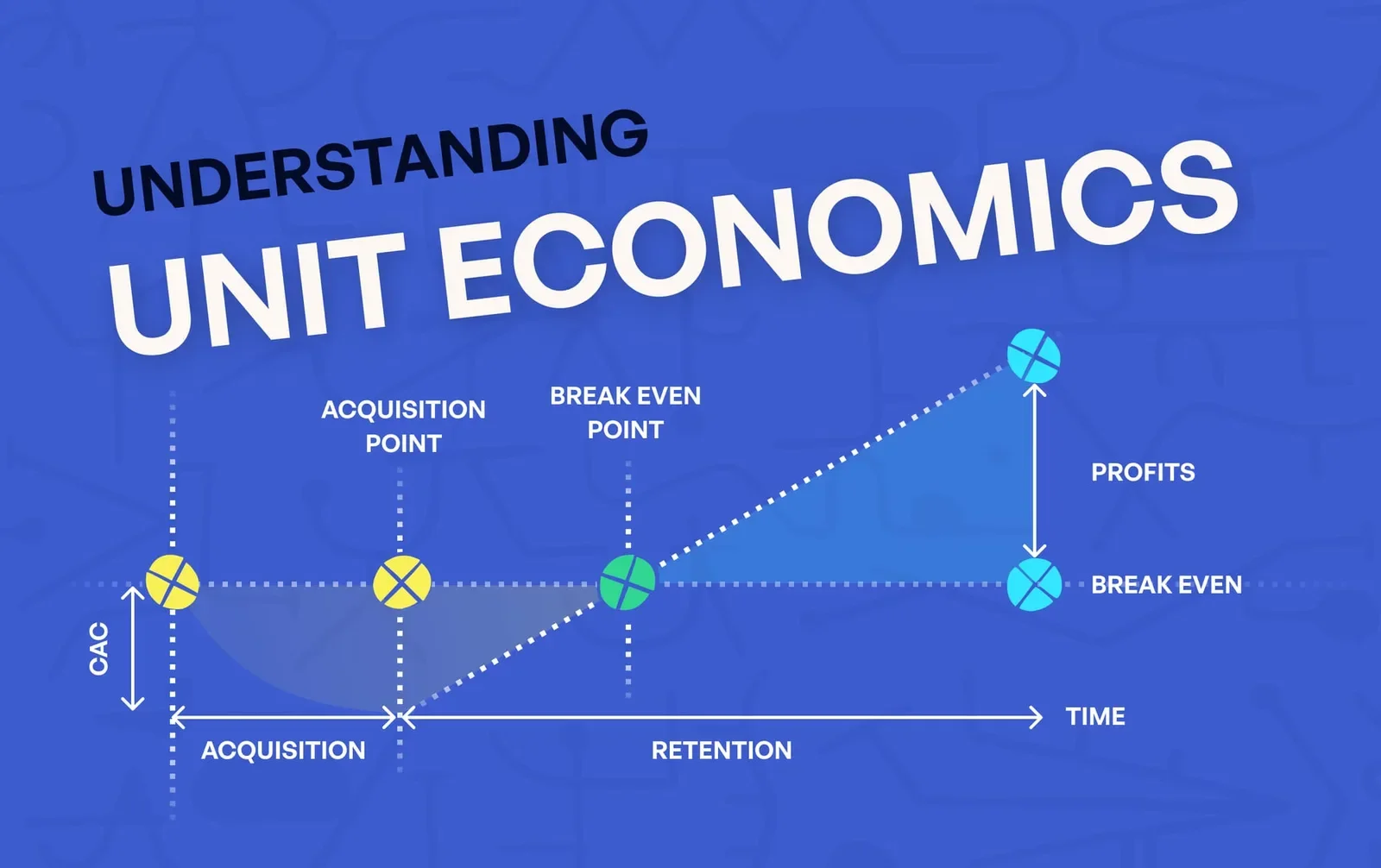
Growth requires customers, who usually cost money to acquire. Customer acquisition cost, commonly known as CAC, measures the resources a company spends to gain new customers. Depending on the business, those costs may include advertising, sales commissions, marketing technology, and other acquisition-related expenses.
The calculation can be more complicated than it initially appears. Harvard Business School researchers note that businesses must make careful decisions about which expenses to include and when to connect spending with newly acquired customers. CAC also provides more useful insight when considered alongside retention, customer value, and the time required to recover acquisition spending.
A rising CAC does not automatically signal failure. A company may deliberately spend more to enter a new market or reach a different type of customer. Still, entrepreneurs should understand whether their growth strategy is becoming more expensive over time.
Customer Retention and Churn
A business can attract thousands of new customers and still have a serious problem if many leave quickly. Retention measures the ability to keep customers over time, while churn tracks the customers or revenue lost during a given period. These metrics can be particularly valuable because they provide clues about whether customers find lasting value in a product or service.
Harvard Business School research emphasizes the relationship between acquisition and retention,
noting that both affect long-term customer value and profitability. Businesses may also examine how revenue from an existing group of customers changes over time through measures such as net revenue retention.
The right retention metric will vary by industry. A subscription company may track monthly churn, while a retailer might focus on repeat purchases. A consultant may measure client renewal rates. The underlying question remains similar: Do customers stay with the business over time?
Customer Engagement and Product Use
Retention data can take time to develop. Entrepreneurs often need earlier signals that indicate whether customers are finding value. That is where engagement metrics can help. Depending on the product, useful measures might include frequency of use, repeat purchases, or completion of a key action. A software company may discover that customers who use a particular feature early are far more likely to remain subscribers. A service business may find that a certain onboarding experience predicts whether clients renew.
The challenge is choosing measures that reflect genuine value rather than surface-level metrics. A large number of website visits, app downloads, or social media followers may look impressive while contributing little to the business itself.
Employee and Operational Measures
Entrepreneurs should also look inside their organization. Metrics such as employee turnover, time required to fulfill orders, project completion rates, and inventory turnover can reveal operational weaknesses that revenue figures miss. The right measures will depend heavily on the business. A restaurant may focus on food costs and table turnover, while a software company may care more
about customer support response times.
Revenue will always matter. Few businesses can survive without it. But entrepreneurs who monitor cash, margins, customer behavior, and operational performance gain a clearer picture of what is happening beneath the headline number. Those measurements can help reveal whether growth is sustainable and where attention is needed.